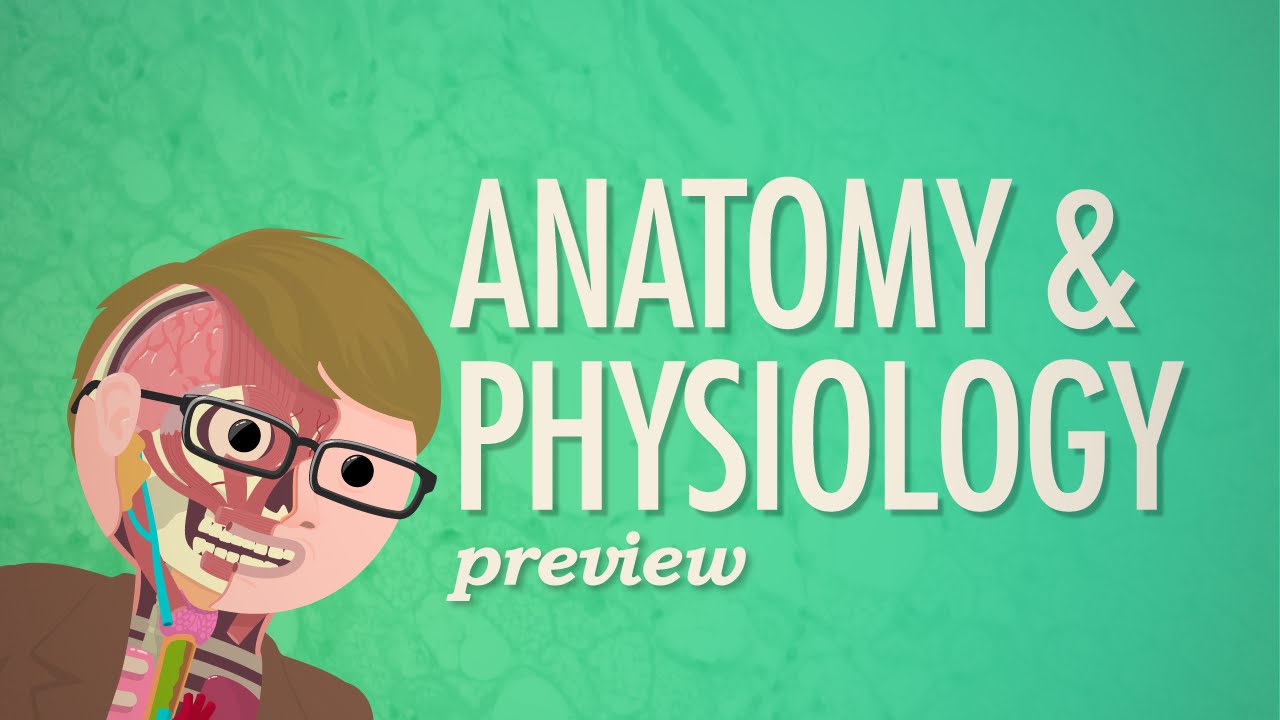
Anatomy & Physiology
2026 · 535m
Synopsis
In 47 episodes, Hank Green will teach you anatomy and physiology! This course is based on an introductory college level curriculum, with Human Anatomy and Physiology, 9th edition, by Marieb and Hoehn as its main reference text. By the end of the course, you will be able to: * Understand the chemistry and cell biology of systems in the human body * Recognize how tissue types define the function of each organ system * Predict how the failure of an organ system might lead to disease * Explain how energy is changed into different forms throughout the body * Break down the names of anatomical systems using Greek and Latin root words We also made flashcards to help you review the content in this course! Find them on the free Crash Course App available for Apple devices in the App Store and Android devices in the Google Play store.
You Might Also Like
How scientists learn
SSS 1 Biology
SS 3 Biology
High School Biology | Khan Academy
SSS 2 Biology
SS3 Biology
JS 2 Business & Finance
SSS12 Physical
Kids Songs by CoComelon
Learn English With Disney Movies
CoComelon
Alphabet (ABC) Songs by CoComelon
Comments
10 Comments
Hank tries not to stress you out too much as he delves into the functions and terminology of your sympathetic nervous system. Pssst... we made flashcards to help you review the content in this episode! Find them on the free Crash Course App! Download it here for Apple Devices: https://apple.co/3d4eyZo Download it here for Android Devices: https://bit.ly/2SrDulJ Chapters: Introduction: Physiology of Stress 00:00 How Signals Travel to Effectors 1:48 Hormones & Neurotransmitters Communicate Stress 2:15 Preganglionic Fibers Release Acetylcholine (ACh) 3:42 Postganglionic Fibers Release Norepinephrine 4:34 Adrenal Glands Release Norepinephrine and Epinephrine as Hormones 5:10 Neurotransmitters vs. Hormones 6:01 How Norepinephrine Works: Alpha and Beta Receptors 6:29 Review 9:29 Credits 10:18 *** Thanks to the following Patrons for their generous monthly contributions that help keep Crash Course free for everyone forever: Mark Brouwer, Simun Niclasen, Brad Wardell, Roger C. Rocha, Jan
Hank tries not to stress you out too much as he delves into the functions and terminology of your sympathetic nervous system. Pssst... we made flashcards to help you review the content in this episode! Find them on the free Crash Course App! Download it here for Apple Devices: https://apple.co/3d4eyZo Download it here for Android Devices: https://bit.ly/2SrDulJ Chapters: Introduction: Physiology of Stress 00:00 How Signals Travel to Effectors 1:48 Hormones & Neurotransmitters Communicate Stress 2:15 Preganglionic Fibers Release Acetylcholine (ACh) 3:42 Postganglionic Fibers Release Norepinephrine 4:34 Adrenal Glands Release Norepinephrine and Epinephrine as Hormones 5:10 Neurotransmitters vs. Hormones 6:01 How Norepinephrine Works: Alpha and Beta Receptors 6:29 Review 9:29 Credits 10:18 *** Thanks to the following Patrons for their generous monthly contributions that help keep Crash Course free for everyone forever: Mark Brouwer, Simun Niclasen, Brad Wardell, Roger C. Rocha, Jan
Hank tries not to stress you out too much as he delves into the functions and terminology of your sympathetic nervous system. Pssst... we made flashcards to help you review the content in this episode! Find them on the free Crash Course App! Download it here for Apple Devices: https://apple.co/3d4eyZo Download it here for Android Devices: https://bit.ly/2SrDulJ Chapters: Introduction: Physiology of Stress 00:00 How Signals Travel to Effectors 1:48 Hormones & Neurotransmitters Communicate Stress 2:15 Preganglionic Fibers Release Acetylcholine (ACh) 3:42 Postganglionic Fibers Release Norepinephrine 4:34 Adrenal Glands Release Norepinephrine and Epinephrine as Hormones 5:10 Neurotransmitters vs. Hormones 6:01 How Norepinephrine Works: Alpha and Beta Receptors 6:29 Review 9:29 Credits 10:18 *** Thanks to the following Patrons for their generous monthly contributions that help keep Crash Course free for everyone forever: Mark Brouwer, Simun Niclasen, Brad Wardell, Roger C. Rocha, Jan
Hank tries not to stress you out too much as he delves into the functions and terminology of your sympathetic nervous system. Pssst... we made flashcards to help you review the content in this episode! Find them on the free Crash Course App! Download it here for Apple Devices: https://apple.co/3d4eyZo Download it here for Android Devices: https://bit.ly/2SrDulJ Chapters: Introduction: Physiology of Stress 00:00 How Signals Travel to Effectors 1:48 Hormones & Neurotransmitters Communicate Stress 2:15 Preganglionic Fibers Release Acetylcholine (ACh) 3:42 Postganglionic Fibers Release Norepinephrine 4:34 Adrenal Glands Release Norepinephrine and Epinephrine as Hormones 5:10 Neurotransmitters vs. Hormones 6:01 How Norepinephrine Works: Alpha and Beta Receptors 6:29 Review 9:29 Credits 10:18 *** Thanks to the following Patrons for their generous monthly contributions that help keep Crash Course free for everyone forever: Mark Brouwer, Simun Niclasen, Brad Wardell, Roger C. Rocha, Jan
In the penultimate episode of Crash Course Anatomy & Physiology, Hank explains your adaptive immune system. The adaptive immune system's humoral response guards extracellular terrain against pathogens. Hank also explains B cells, antibodies, and how vaccines work. Pssst... we made flashcards to help you review the content in this episode! Find them on the free Crash Course App! Download it here for Apple Devices: https://apple.co/3d4eyZo Download it here for Android Devices: https://bit.ly/2SrDulJ Chapters: Introduction: Adaptive Immune Responses 00:00 How B Cells Identify Antigens 2:14 B Cells Become Effector Cells & Memory Cells 4:05 How Antibodies Fight Antigens 5:22 Active and Passive Humoral Immunity 6:03 How Vaccines Work 6:27 Review 8:30 *** Crash Course is on Patreon! You can support us directly by signing up at http://www.patreon.com/crashcourse Thanks to the following Patrons for their generous monthly contributions that help keep Crash Course free for everyone forever
In the penultimate episode of Crash Course Anatomy & Physiology, Hank explains your adaptive immune system. The adaptive immune system's humoral response guards extracellular terrain against pathogens. Hank also explains B cells, antibodies, and how vaccines work. Pssst... we made flashcards to help you review the content in this episode! Find them on the free Crash Course App! Download it here for Apple Devices: https://apple.co/3d4eyZo Download it here for Android Devices: https://bit.ly/2SrDulJ Chapters: Introduction: Adaptive Immune Responses 00:00 How B Cells Identify Antigens 2:14 B Cells Become Effector Cells & Memory Cells 4:05 How Antibodies Fight Antigens 5:22 Active and Passive Humoral Immunity 6:03 How Vaccines Work 6:27 Review 8:30 *** Crash Course is on Patreon! You can support us directly by signing up at http://www.patreon.com/crashcourse Thanks to the following Patrons for their generous monthly contributions that help keep Crash Course free for everyone forever
In the penultimate episode of Crash Course Anatomy & Physiology, Hank explains your adaptive immune system. The adaptive immune system's humoral response guards extracellular terrain against pathogens. Hank also explains B cells, antibodies, and how vaccines work. Pssst... we made flashcards to help you review the content in this episode! Find them on the free Crash Course App! Download it here for Apple Devices: https://apple.co/3d4eyZo Download it here for Android Devices: https://bit.ly/2SrDulJ Chapters: Introduction: Adaptive Immune Responses 00:00 How B Cells Identify Antigens 2:14 B Cells Become Effector Cells & Memory Cells 4:05 How Antibodies Fight Antigens 5:22 Active and Passive Humoral Immunity 6:03 How Vaccines Work 6:27 Review 8:30 *** Crash Course is on Patreon! You can support us directly by signing up at http://www.patreon.com/crashcourse Thanks to the following Patrons for their generous monthly contributions that help keep Crash Course free for everyone forever
In the penultimate episode of Crash Course Anatomy & Physiology, Hank explains your adaptive immune system. The adaptive immune system's humoral response guards extracellular terrain against pathogens. Hank also explains B cells, antibodies, and how vaccines work. Pssst... we made flashcards to help you review the content in this episode! Find them on the free Crash Course App! Download it here for Apple Devices: https://apple.co/3d4eyZo Download it here for Android Devices: https://bit.ly/2SrDulJ Chapters: Introduction: Adaptive Immune Responses 00:00 How B Cells Identify Antigens 2:14 B Cells Become Effector Cells & Memory Cells 4:05 How Antibodies Fight Antigens 5:22 Active and Passive Humoral Immunity 6:03 How Vaccines Work 6:27 Review 8:30 *** Crash Course is on Patreon! You can support us directly by signing up at http://www.patreon.com/crashcourse Thanks to the following Patrons for their generous monthly contributions that help keep Crash Course free for everyone forever
Welcome to Crash Course Office Hours! Is the heart an organ? How does the nervous system work? In this livestream, Hank Green and Brandon Jackson answer the questions you submitted and talk about the best ways to study anatomy & physiology. Thank you to Flipgrid for sponsoring this series. Check them out here: https://info.flipgrid.com/ 00:00 Introduction 02:30 Is the heart a muscle or an organ? 08:09 How are skin cells organized through the layers of the skin? 15:01 Neurotransmitters, action potential, gated channels, and the process of muscle contraction 26:55 What's the best way to remember bone landmarks? 30:16 How to read an ECG 40:20 Tips for studying A&P #1 - learning the root words 43:54 Tips for studying A&P #2 - how to use flashcards 47:18 Tips for studying A&P #3 - learning by teaching 49:08 What happens when a muscle cramps? 51:58 Tricks for remembering the veins and arteries 55:25 Outro Crash Course Study Skills: https://www.youtube.com/watch?v=IhuwS5ZLwKY&list=PL8dPuu
Welcome to Crash Course Office Hours! Is the heart an organ? How does the nervous system work? In this livestream, Hank Green and Brandon Jackson answer the questions you submitted and talk about the best ways to study anatomy & physiology. Thank you to Flipgrid for sponsoring this series. Check them out here: https://info.flipgrid.com/ 00:00 Introduction 02:30 Is the heart a muscle or an organ? 08:09 How are skin cells organized through the layers of the skin? 15:01 Neurotransmitters, action potential, gated channels, and the process of muscle contraction 26:55 What's the best way to remember bone landmarks? 30:16 How to read an ECG 40:20 Tips for studying A&P #1 - learning the root words 43:54 Tips for studying A&P #2 - how to use flashcards 47:18 Tips for studying A&P #3 - learning by teaching 49:08 What happens when a muscle cramps? 51:58 Tricks for remembering the veins and arteries 55:25 Outro Crash Course Study Skills: https://www.youtube.com/watch?v=IhuwS5ZLwKY&list=PL8dPuu